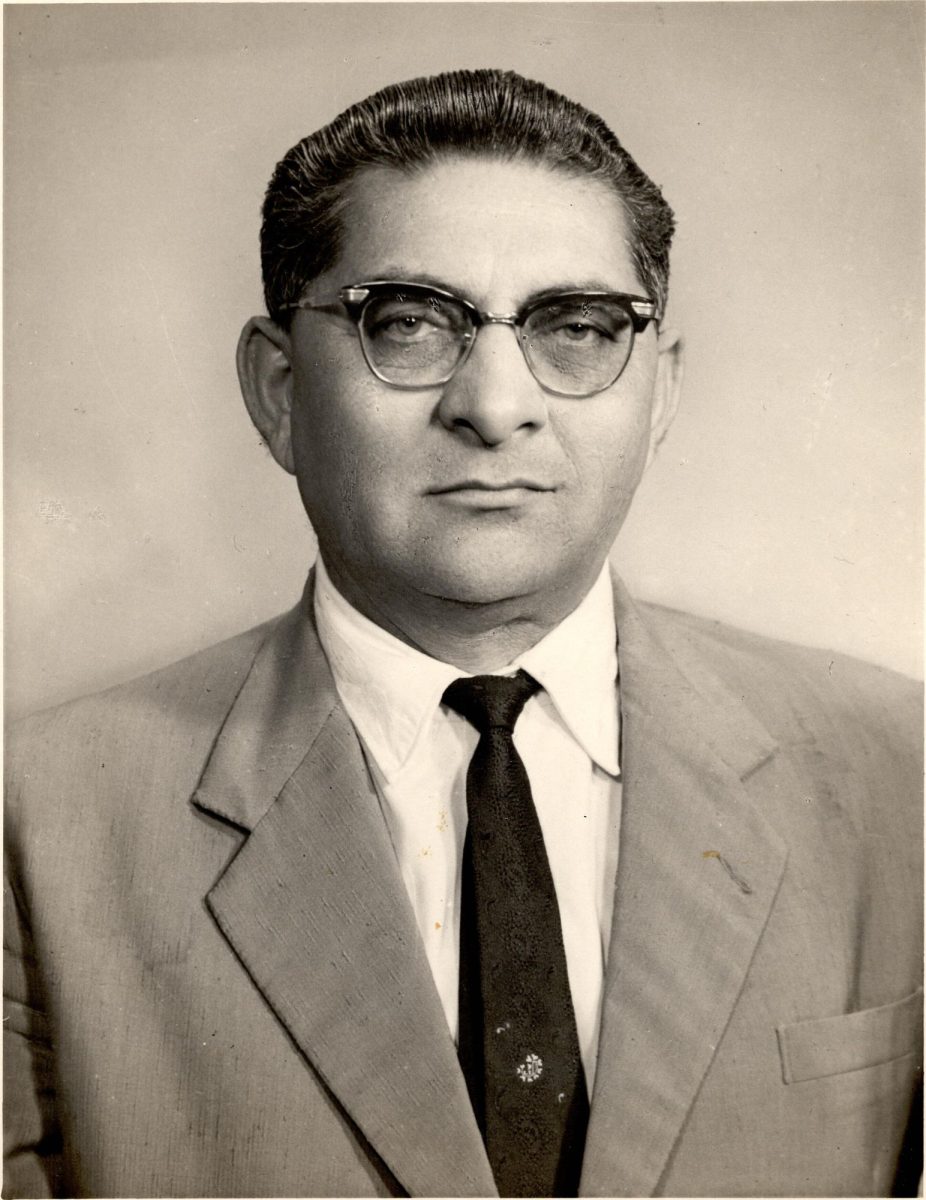
Ahmed Dawood
1905 – 2002Ahmed Dawood was born in 1905 at Bantva in Kathiawar, the eldest son of Dawood Yaqoob, a trader of the Bantva Memon community. The family bore the surname Gandhi, his grandfather being Yaqoob Gandhi and his great-grandfather Abu Gandhi, and took the name Dawood only after the move to Pakistan.
"There are three reasons for my success. My mother …… without whose prayers I would have been nothing at all. My labour …… which I perform regarding it as worship. And above all The grace of God ….. which, becoming the fruit of my mother's prayers and of my labours, has always been with me."
— Ahmed Dawood, Ik Pakr e Ausaf, pp 100
Learning the Trade
His schooling ended at grade III, at a government school in Bantva where the monthly fee was one anna and where his brothers were taught alongside him. The household itself was religious and run by his mother, Hajiani Hanifa Bai, who gave her children an unusual degree of independence. At about twelve he was sent away to learn the trade under his maternal grandfather, Abdul Ghani Haji Noor Muhammad, who dealt in cotton yarn, wheat and grain in a district of Mysore. A year or two in that shop gave him the rudiments. His grandfather then placed him with a business partner, Hashim Haji Ghani, at Shimoga, and afterwards moved him to a branch at Kenawali in Madras with greater responsibility.
His father's death left him responsible for the household, a burden he carried with his mother's support. At about fifteen he set up on his own in Bombay, opening a cotton and silk yarn business in the Hanuman Building at Tambakata under his grandfather's patronage and naming it for himself and his brother: Messrs Suleman Ahmed.
Building an Industrial Group
In 1948, following Partition, he founded Dawood Corporation Limited, adding a Manchester trading house, Dawood (England) Limited, the following year. The foundation stone for Dawood Cotton Mills was laid at Landhi in 1951, and the mill entered production a year later. In 1957 he acquired Burewala Textile Mills, and in 1960 added a modern ginning and pressing factory to the site.
The group he built eventually comprised more than fifteen industrial and commercial concerns, spanning textiles, paper, chemicals, fertiliser, petroleum, insurance and coal. Central Insurance Company was floated in 1960, and National Mines began extracting coal the following year. Dilon Limited, an offshoot of Dawood Cotton Mills, and Lawrencepur Woollen and Textile Mills Limited stood alongside it in textiles, and Dawood Petroleum Limited extended the group into fuel.
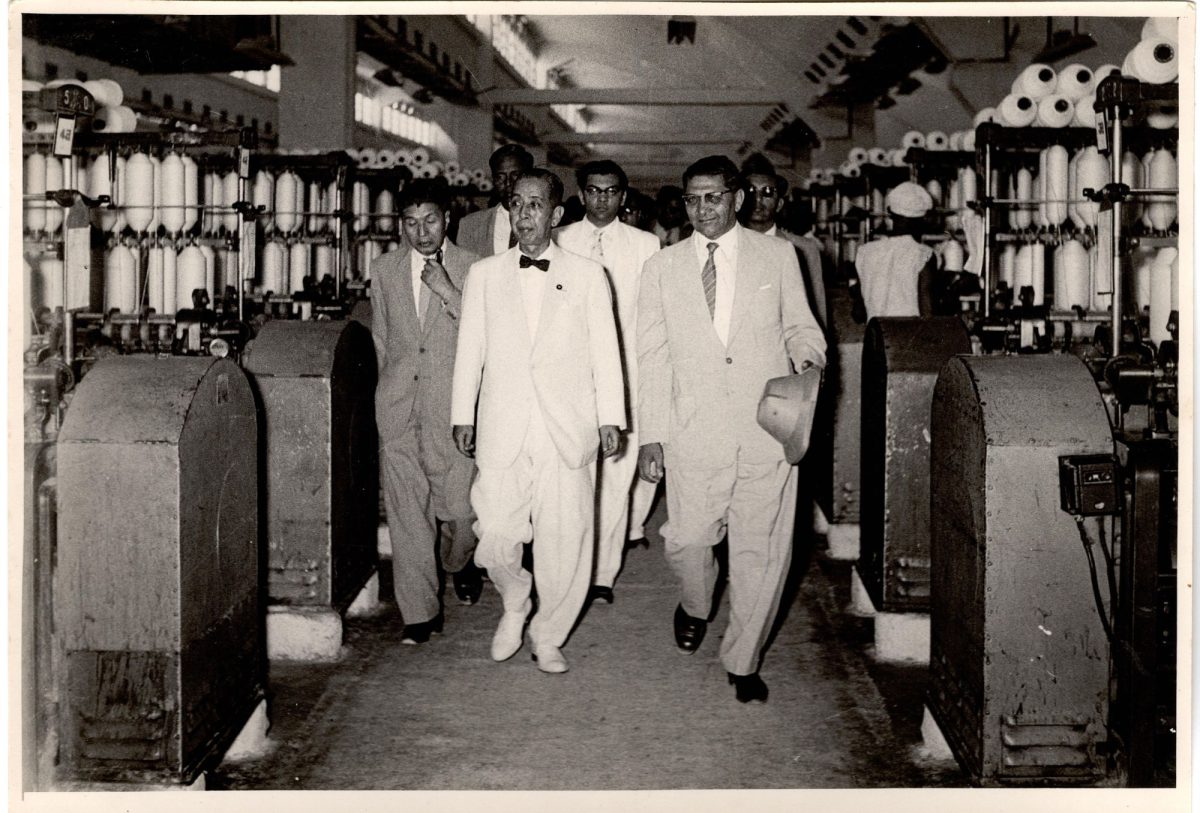 Ahmed Dawood providing a tour to Japanese Prime Minister Nobusuke Kishi of Dawood Cotton Mills
East Pakistan & Diversification
In East Pakistan he took over the management of Karnaphuli Paper Mills Limited from the Pakistan Industrial Development Corporation in 1959. Karnaphuli Rayon and Chemical Limited, Dawood Jute Mills Limited and Dawood Shipping Company Limited were run from there. All of it, was lost in 1971, with the independence of Bangladesh, at a stroke some 60 per cent of the group's industrial investment. He also served as founding chairman of the National Investment Trust and vice-chairman of the Pakistan Industrial Credit and Investment Corporation.
His largest undertaking came in 1968, when he partnered with the American chemical company Hercules Incorporated to establish Dawood Hercules Chemicals Limited, financed by the World Bank's International Finance Corporation. In the years that followed, the group moved into consumer goods and engineering, among them Transpak, Dawood Yamaha, Dawlance, Descon Engineering and Meiji Biscuits.
The Dawood Foundation
Philanthropy ran in parallel throughout. The Dawood Trust, created in 1950, supported schools, colleges and universities before being reconstituted as The Dawood Foundation, registered in Karachi in 1960 with an endowment of more than Rs 23 million (about US$4.8 million at the time). His educational endowments proved the most enduring part of his philanthropy. Dawood College of Engineering and Technology was inaugurated in 1962, teaching subjects then taught nowhere else in Pakistan; it was nationalised in the 1970s, after which he went on supporting it, and it survives today as Dawood University of Engineering and Technology. Dawood Public School was founded for girls in 1983.
From 1974 he spent several years in the United States, where he founded a company that drilled successfully for oil near Houston, before returning to Pakistan in 1977. He served as vice-president of the Al-Shifa Trust and was a founder trustee of the Al-Shifa Eye Hospital.
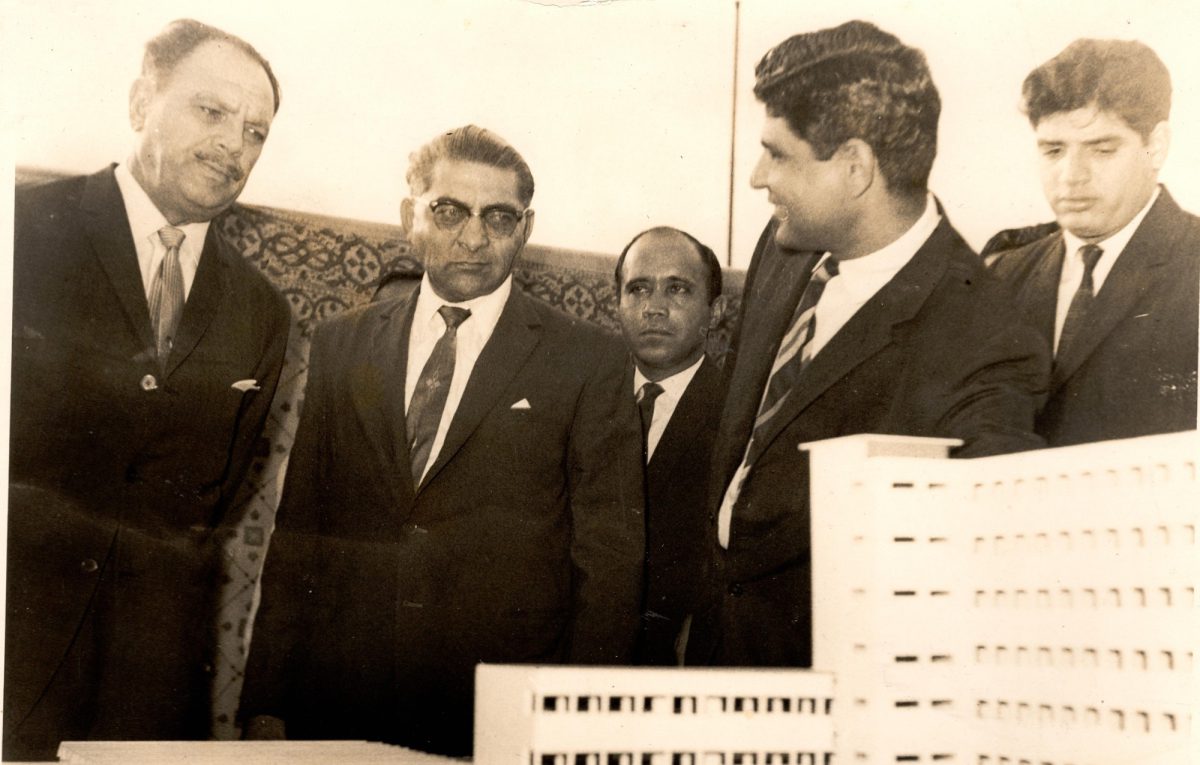 Ahmed Dawood with President Ayub, looking at a miniature of Dawood College of Engineering & Technology on the occasion of its inauguration
Community & Recognition
He supported his own community throughout, founding the Memon Co-operative Bank Limited at Kharadar in 1958. He held office in the Bantva Memon Jamaat and the All-Pakistan Memon Federation, and in 1981 helped found The United Memon Jamaat of Pakistan. The Government of Pakistan conferred the Hilal-e-Khidmat on him in 1962, and the Memon World Milan gave him the title Baba-e-Ittehad in 1986.
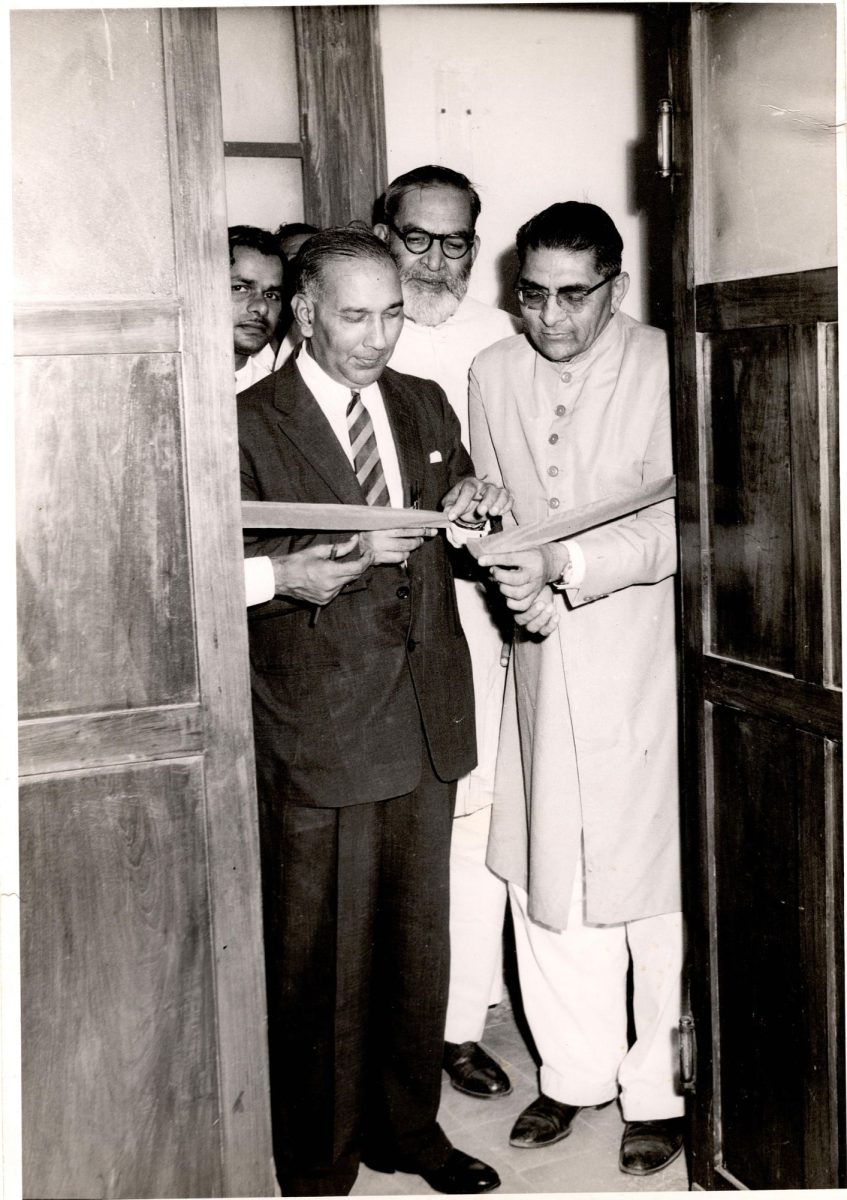 Ahmed Dawood at the opening ceremony of Memon Co-operative Bank
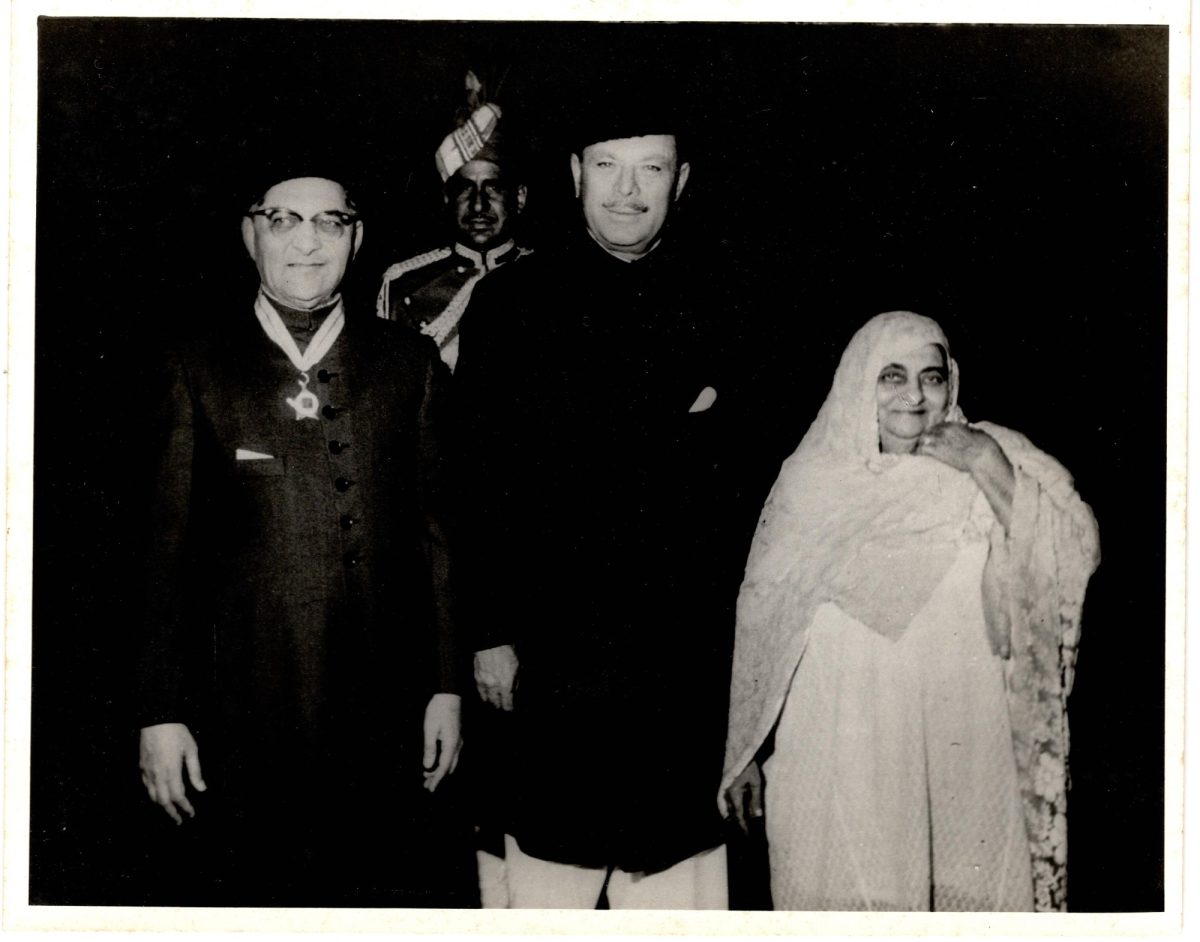 Ahmed Dawood wearing Hilal-e-Khidmat, standing alongside President Ayub Khan and Hajiani Hanifa Bai
Ahmed Dawood passed away in Karachi on 2 January 2002, at the age of ninety-six. The industrial group and the Foundation he built both outlived him.